
Try Two-Tone Wall Paint Ideas on Your Own Photo
Two colors on one wall, split along a single paint line. Upload a photo, name the two colors and where the line sits, and compare a few splits before you pick up the tape.
Free account required. New accounts get 1 free render (watermarked), then paid plans.
Try it on your own photo
Upload a photo of the room below. Name the lower color, the upper color and the height of the line, and say everything else stays exactly the same.
Two-Tone Wall Paint Ideas Before and After
AI-generated sample edits. The before photos are AI-drawn stand-in rooms, not photos of real rooms; the camera angle and light stay the same and the paint color changes. The samples were made with a fast image model (4 processing steps), so your own render may look different. Each caption names anything else that changed and any rerun. A render shows a color idea, not real paint on a real wall.
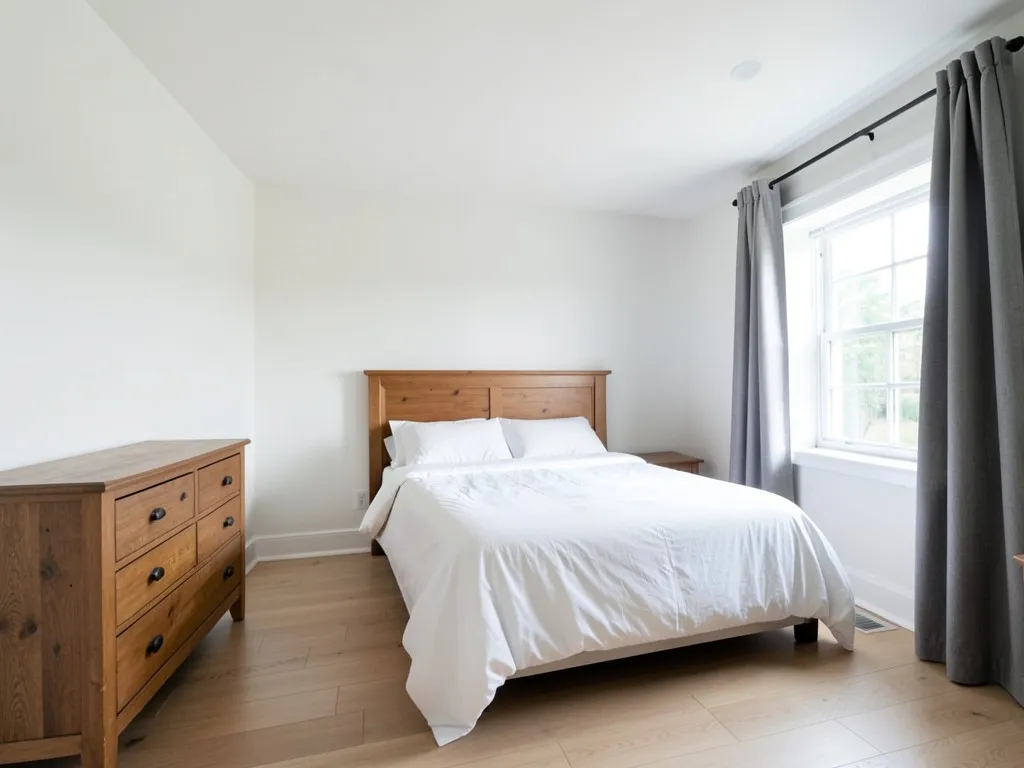 Before
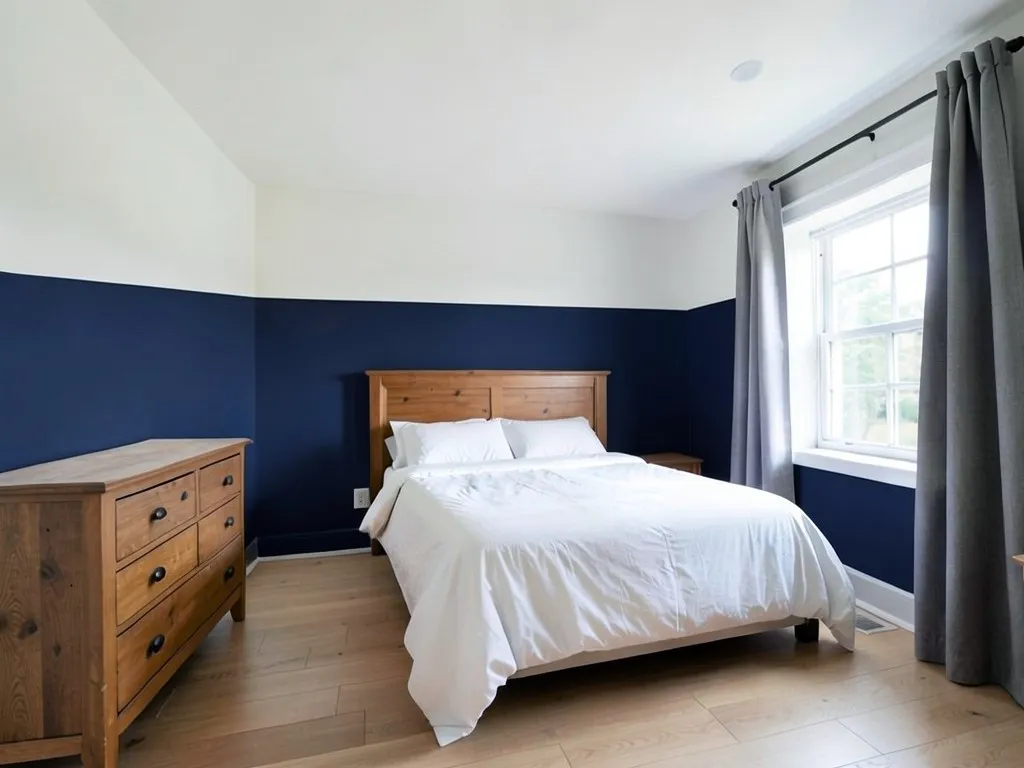 After
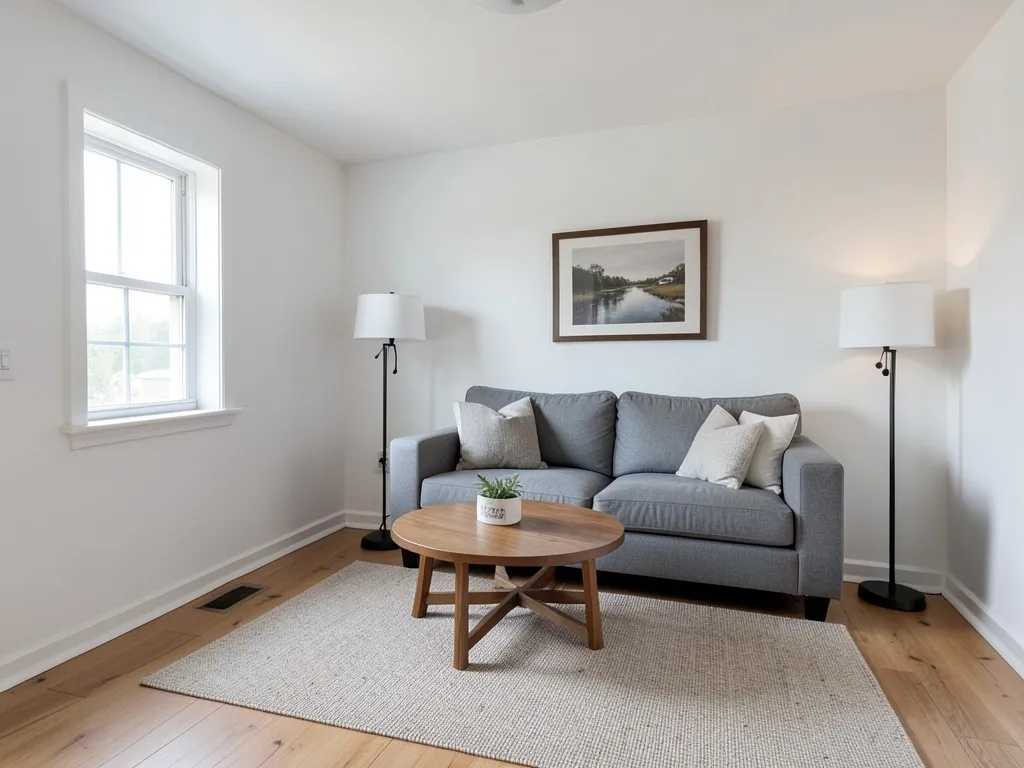 Before
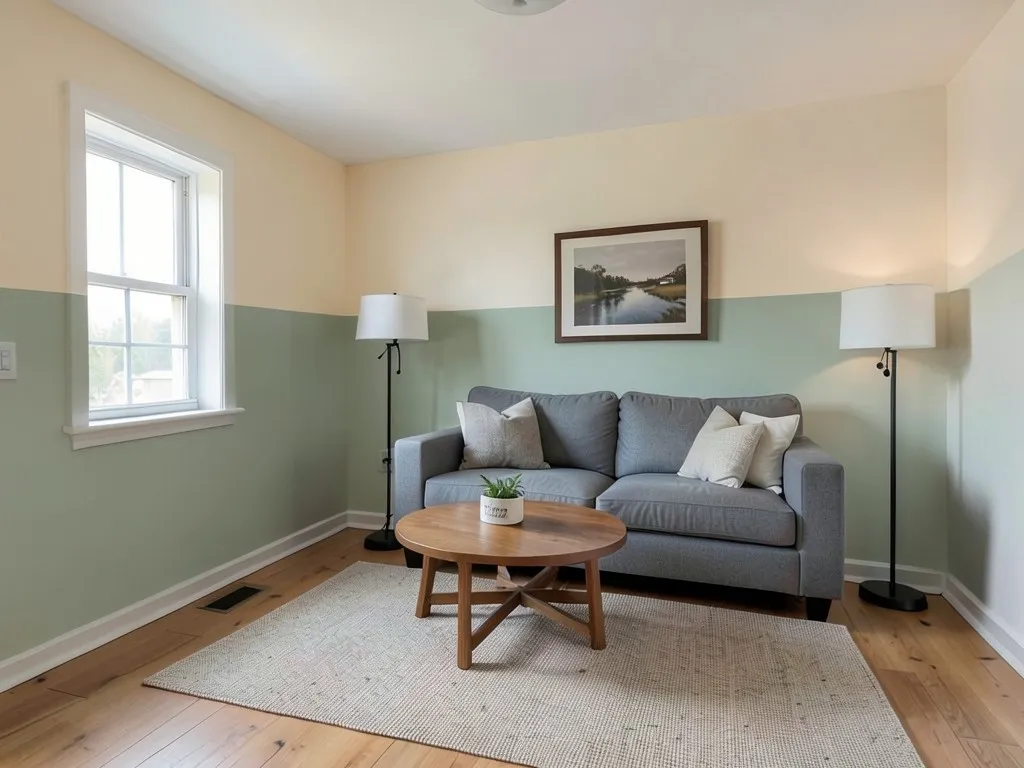 After
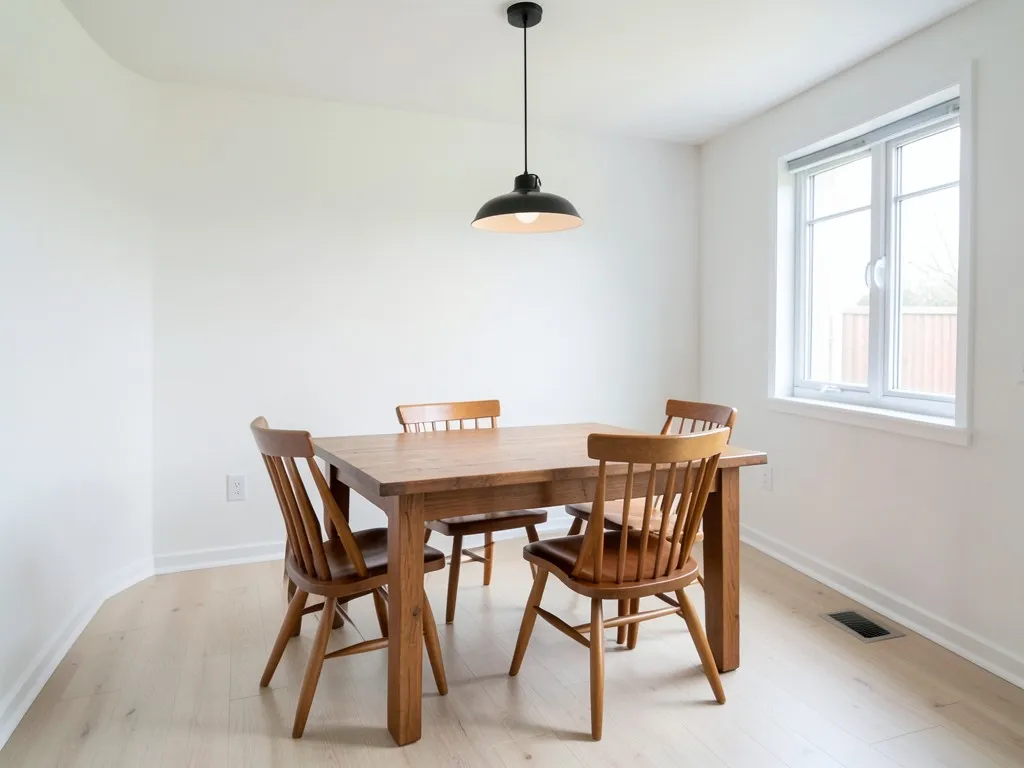 Before
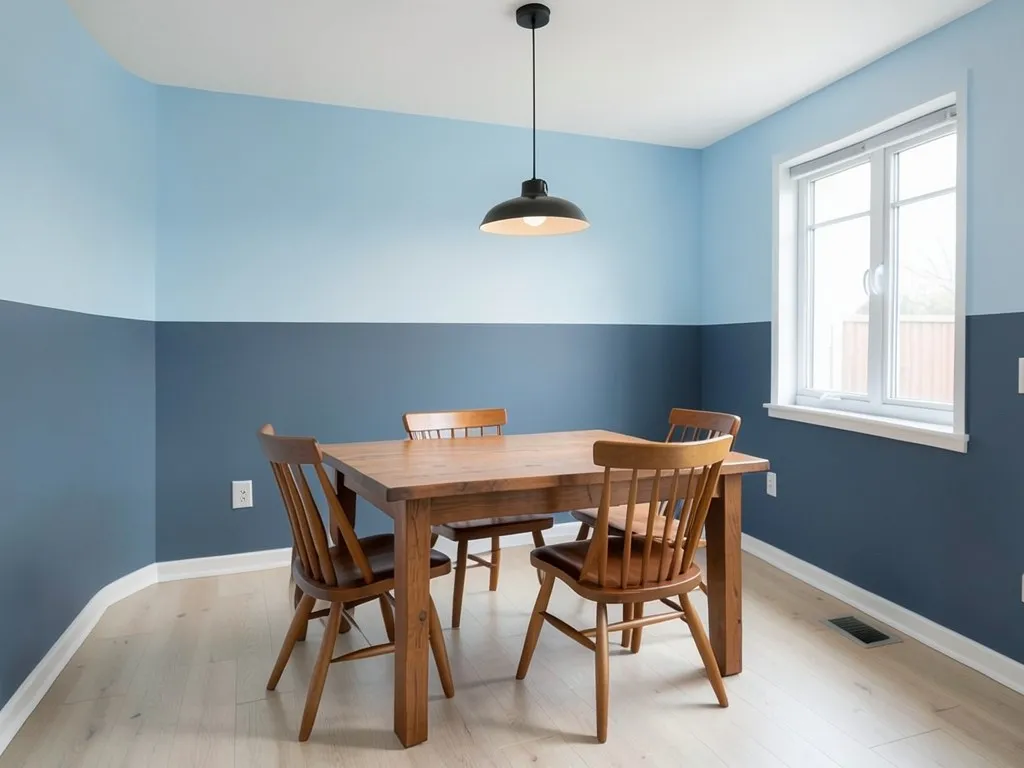 After
How to Preview a Two-Tone Wall on Your Own Photo
- Take a clear photo. Stand back far enough that two full walls are in view, and keep the lens level. A level camera makes it easier to judge where a horizontal line will sit.
- Open the paint tool in Custom mode. Upload the photo and describe the split in one sentence: “Paint the walls navy below a straight horizontal line level with the top of the headboard and keep the white above. Keep the furniture, window, trim, ceiling and floor exactly the same. Add no molding or rail.” Name both colors and the line height.
- Move the line, then tape it. Render the same room with the line lower and higher, then mark your favorite on the real wall with painter's tape and look at it from across the room before you paint.
This page is about two colors on one plain wall, split by a paint line with no panels. For a single feature wall see the accent wall visualizer and for a whole room see living room paint colors and bedroom paint colors. If the wall is paneled, see wainscoting paint colors.
Two-Tone Wall Layouts to Compare
Horizontal split, dark below
The most common version in the guides we read: a darker color on the lower wall and a lighter one above, which grounds the room. In our example, white walls went deep navy below a line at headboard height.
Horizontal split, soft pair
A muted color under a cream or off-white is gentler than navy and white. In our example, white walls went muted sage below and warm cream above.
Tonal split in one hue
Two shades of the same color, one darker and one lighter, make the line quiet. In our example, a medium dusty blue went under a pale blue.
Other layouts
The guides we read also show a vertical split, a geometric or color-block wall, and a lighter color below with a darker one above. We rendered only horizontal splits, so describe these in Custom mode and check the render.
Before You Paint a Two-Tone Wall
- Choose the height of the line first. The guides we read put it anywhere from about a third of the way up to half the wall, or level with a feature such as the headboard or window sill. Try two heights.
- Pick one dark and one light, or two shades of one hue. Two strong colors of similar weight tend to fight.
- Use painter's tape and a level. A crooked line is the most visible mistake, so mark it with tape and step back before you paint.
- Seal the tape edge. A common tip is to paint a thin coat of the lower color over the tape edge first, so the line stays crisp.
- Plan the corners and openings. Decide how the line meets doors, windows and inside corners; keep trim a single color so it does not read as a third tone.
- Check the details in the render. An AI edit can shift small things or paint trim by mistake, as it did around the window frame in one of our runs. Compare the render with the real room.
Layout and technique advice above is our summary of the two-tone wall guides we read. We do not sell paint, we name no paint colors, and a render is not a color match.
Two-Tone Wall Paint Ideas FAQ
Is the two-tone wall paint visualizer free?+
You need a free account to generate. New accounts get 1 free render, and free renders carry a small watermark. After that, paid plans on the pricing page give you more renders without the watermark.
Do I need to sign up?+
Yes. Rendering requires an account so your credits and results can be saved. You can sign in with Google or a one-time code sent to your email.
What is a two-tone wall?+
Two colors on the same wall, divided along a paint line, most often horizontal. This page covers plain walls with no paneling; for one painted feature wall see the accent wall visualizer.
Where should the line go on a two-tone wall?+
There is no single rule. The guides we read mention about a third to half the wall height, or a line level with the headboard, window sill or a piece of furniture. Render two heights on your own photo and compare.
Which colors work for a two-tone wall?+
The guides we read pair a darker color below with a lighter one above, such as navy with white, a muted green with cream, or two shades of one blue. Our three samples are exactly those. Render two or three on a photo of your own room.
Will the render keep my furniture and trim the same?+
That is the goal, and it helps to say that the furniture, trim, window and floor stay exactly the same and that no molding or rail is added. It is an AI edit, not a mask, and in one of our runs it painted a window frame by mistake, so compare the render with the real room.
Can I try a vertical or geometric split?+
You can describe one in Custom mode, but we only rendered horizontal splits. Patterns are harder for the AI than a single color, so the spacing can come out uneven. Check the render carefully.
Will the render show how the color looks in my room?+
No. The render shows a color idea, not the color under your own lights or the daylight through your window. Paint a large sample on the wall and look at it in the morning and in the evening before you buy gallons.
Related Color Visualizers
- Accent wall visualizer – one painted feature wall
- Bedroom paint colors – splits behind the bed
- Living room paint colors – walls behind the sofa
- Dining room paint colors – a split around the table
- Trim paint color visualizer – baseboards and window trim
- Interior paint visualizer – walls and whole rooms
See a Two-Tone Wall in Your Room
Upload one photo and compare two splits before you tape the line.