
Interior Log Cabin Stain Colors, Tried on a Photo of Your Own Walls
Inside a cabin, the stain covers walls, beams and ceilings, and you cannot easily undo it. Upload a photo of your room, describe the tone you are considering, and the AI recolors the logs while your floor, furniture and fireplace stay in the picture. Compare colors before you buy samples.
Free account required. Your first design is free when you sign up, then paid plans.
Interior Log Stain Before and After
Every image below was made by AI with our own image model: the before photos are generated sample rooms, and each after is an edit of its before. Under each pair is the exact instruction we used, what the AI did not do and what it changed that we did not ask for. We sent these instructions to that model directly, not through this tool, using 4 steps per image. The live tool may use a different model, a different number of steps and different settings (the default is AI Paint Visualizer Grok), so your results will differ.
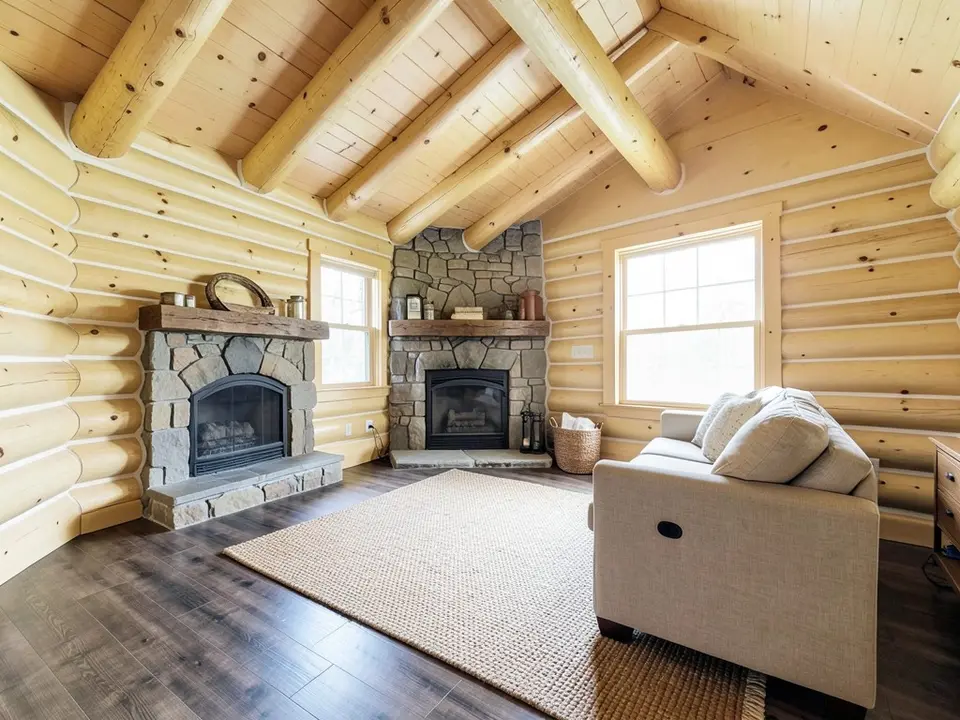 Before
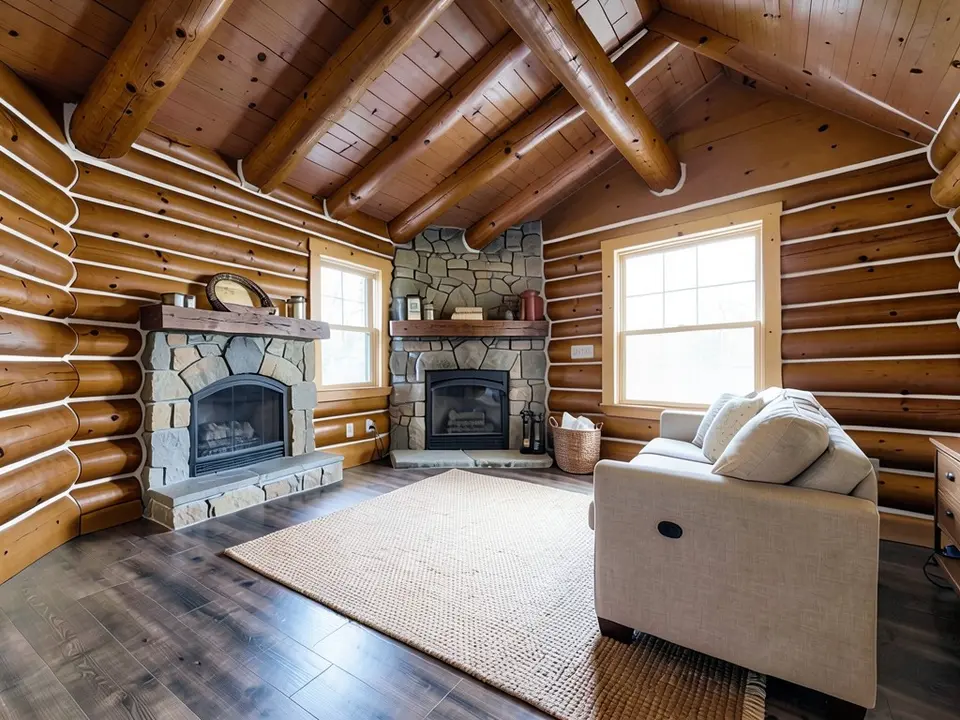 After
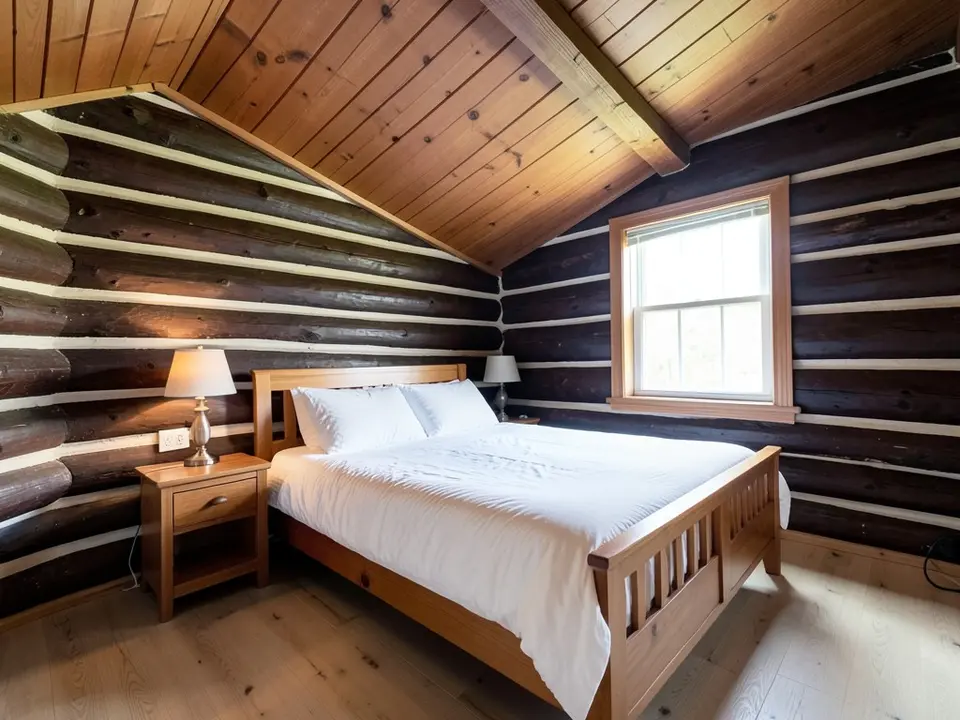 Before
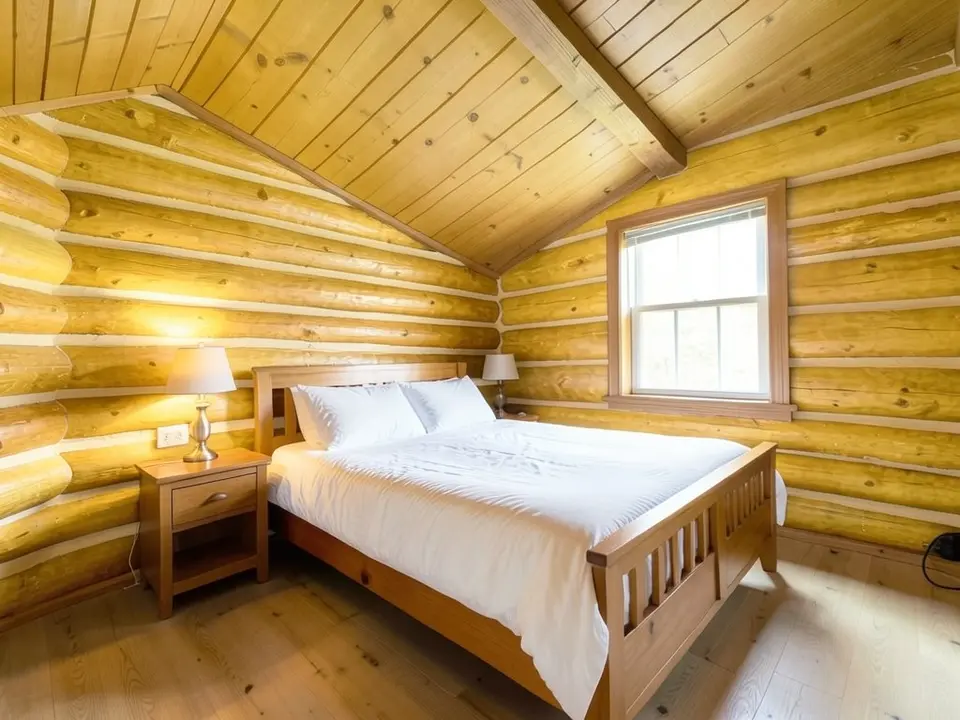 After
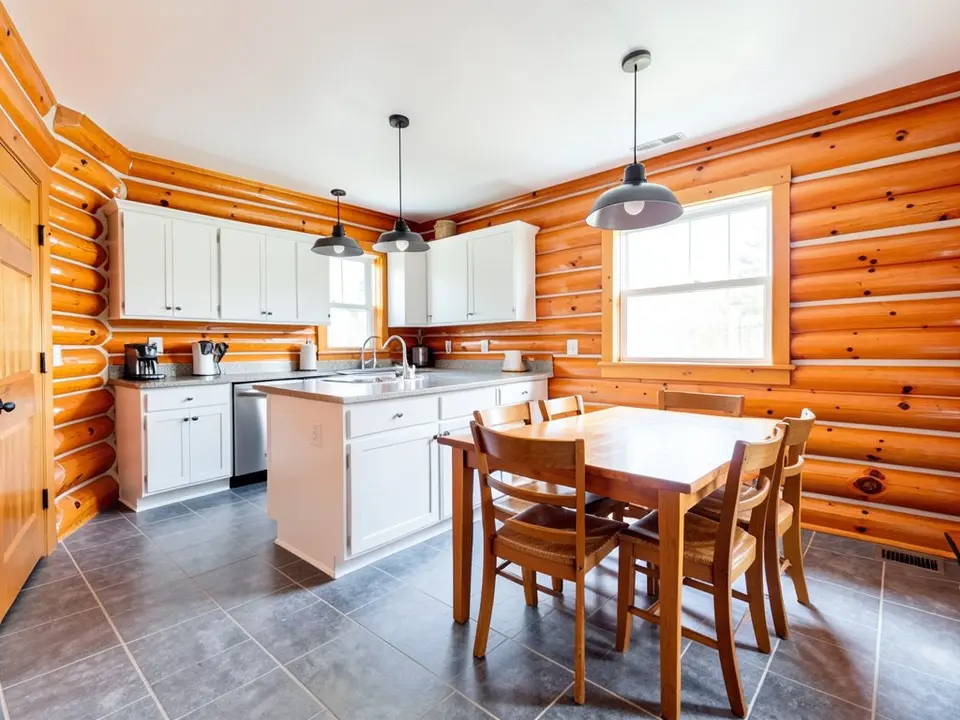 Before
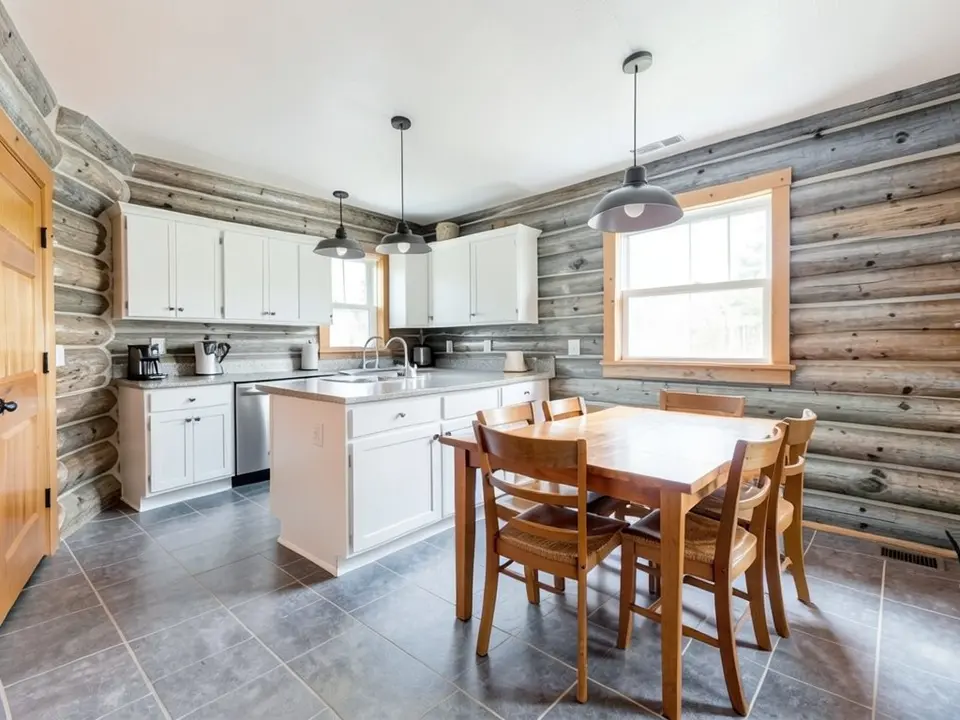 After
How to Preview a Stain Color on Interior Logs
Use the paint tool's Custom mode. The Interior Paint mode repaints a whole room with one chosen color, so it cannot leave the floor, ceiling and furniture alone while it recolors only the logs. In Custom mode, your own sentence is the instruction for the AI edit.
- Take one clear photo of the room. Stand in a corner so two log walls are in view, and include the ceiling if you want the beams stained too. Daylight from a window shows the real wood color best; a flash can wash it out.
- Open the paint tool and choose Custom. Under "Select Paint Mode", pick "Custom". In the "Custom Paint Requirements" box, say "change only the color of the log walls", name the tone, say it is semi-transparent with the grain visible, and list what must stay the same: the chinking, the floor, the furniture, the fireplace and the ceiling.
- Upload the photo and generate. Add your photo under "Upload Image", keep the default AI model or pick another from the "AI Model" list (each shows its credit cost), then press "Generate Paint Design". You will be asked to sign in first if you have not.
- Check the whole picture. In our examples the AI also changed a plank ceiling and the brightness of the room. If something you wanted kept has changed, run it again and name that area in the list of things to keep.
Four Interior Stain Directions to Compare
Each card has a starting instruction you can paste into Custom mode and adapt. We have not rendered these exact sentences, so expect to adjust the wording.
Light to golden brown
The family a log home magazine's experts call the most popular for interior log stain: it adds warmth to a room and lets the grain show. It is also the closest to bare pine.
Try: "Restain only the log walls a light golden brown, semi-transparent so the grain shows. Keep the chinking, the floor, the furniture and the ceiling exactly the same."
Medium to dark brown
Cozy and classic. Manufacturers warn that wood absorbs light, so a dark stain can make a room look much darker than you expect. If you want it dark, they suggest thinking about a lighter ceiling.
Try: "Restain only the log walls a dark brown, semi-transparent. Keep the ceiling, the beams, the chinking, the floor and the furniture exactly the same."
Gray-brown and weathered
A modern take on log walls. Stain makers describe the tint base as a choice between browns, reds, grays or a bleached look. Ask for a brown base in your instruction, or the AI may drift to a flat gray, as it did in our kitchen example.
Try: "Restain only the log walls a soft weathered gray-brown with a brown base, semi-transparent. Keep the chinking, the cabinets, the floor and the ceiling exactly the same."
Bleached or very pale
A bright, airy look for rooms without much window light. A stain maker's guide offers it as one of the tint options next to browns, reds and grays. Pale stain is also the easiest to change later, since a light stain can be darkened but not the reverse.
Try: "Restain only the log walls a pale bleached tone, semi-transparent with the grain visible. Keep the dark floor, the furniture and the fireplace exactly the same."
What Stain Makers Say About Interior Color
Most of these points come from log stain makers and log home magazines (see the sources below). Makers sell the products they describe, so read them as guidance, not as a guarantee.
- The surface area is large. Perma-Chink says a log home usually has about twice as much stainable surface inside as outside, so you look at your color choice everywhere, for years.
- Light and ceiling matter. Wood absorbs light, so a dark stain can make a room much darker than expected. Think about how much natural light the room gets, and whether you want dark walls with a lighter ceiling or a bright room with lighter walls.
- Go lighter first if you are unsure. It is easier to darken a light stain than to lighten a dark one, and stain is hard to undo.
- Let the logs dry. Log Home Living quotes experts saying that stain should not go on until the logs have dried enough, and that most stains can be applied at about 18 to 24 percent moisture. Check your stain maker for the exact figure, and consider a moisture meter.
- Sand the whole log, not a spot. A Sansin executive in the same article says spot-sanded areas always stand out, so sand the entire log or leave it alone. Logs also need cleaning before staining.
- Choose an interior-rated finish. Perma-Chink recommends a water-based interior stain with one or two clear coats, and warns against oil-based products indoors and against lacquer on logs.
Staining furnished rooms is messy. The same Sansin executive says spraying is best left to empty new homes, and that otherwise you should protect everything carefully or brush the stain on instead.
An AI preview does none of this. It cannot show how your wood, its moisture or an old finish will change the color, so use it to choose a direction and then test real samples on your own logs.
Planning the Rest of the Room
Stain is only one part of a log interior. If the walls are warm, try neutral wall colors for the rooms around them: see the warm white paint colors, the taupe paint colors and the cream paint colors pages. For a stone hearth, the fireplace paint colors page is the place to start, and the vaulted ceiling paint ideas page covers high ceilings. Wood doors and trim are covered in interior door colors and paint colors with honey oak trim.
Staining the outside of the cabin instead? The log home stain colors page uses the same method for exterior logs, and the interior design tool restyles a whole room. For a deck or porch floor, the deck stain color visualizer shows semi-transparent and solid stains on a photo of your own boards.
Sources
- Perma-Chink Systems, How to Make the Best Choice for Your Log Home's Interior Stain
- Log Home Living, Budget-Cutting Tips for Staining Log Homes
- Sashco, Stains and Color: What You Need to Know and the Colorfast Pre-Stain Base Coat page
Interior Log Cabin Stain Colors FAQ
What are the most popular interior log cabin stain colors?+
A Weatherall customer-service coordinator quoted in Log Home Living says the most popular interior log stain colors are in the light brown to golden brown family, because they bring warmth to a room and show off the grain. The same article cautions against using a bold or dark exterior-style stain inside. Those are product-line observations, so treat them as a starting point and compare a few tones on your own room.
Will a dark stain make my cabin interior too dark?+
It can. Perma-Chink, a log stain maker, points out that wood absorbs light, so a darker stain may make a room much darker than you pictured. It suggests asking yourself how much natural light the room gets and whether you prefer cozy dark walls with a lighter ceiling or a bright, airy room with lighter walls. Our first example shows how much a medium brown can darken a bright room.
Can I go lighter later if I do not like the color?+
Not easily. The same maker says you cannot easily undo stain, and that it is easier to darken a light stain than to lighten a dark one. That is why trying the color on a photo and on a sample board first makes sense. Our render cannot show this limit: in the loft example the AI turned dark logs light gold, which a real see-through stain would not do.
What finish goes on interior log walls?+
Log stain makers say to use a stain designed for log home interiors. Perma-Chink advises avoiding oil-based products indoors because of their volatile organic compounds, and avoiding nitrocellulose lacquer, the hard finish used on cabinets and trim, because on large logs it can crack and peel as the wood expands and contracts. Its suggestion is a water-based clear coat in gloss or satin over the stain. Check the maker's instructions for your product.
How do I test an interior stain color before staining the whole cabin?+
Order samples and try them on your own logs. Sashco notes that lighting, wood prep and even individual logs change how a stain looks, which is why it sells sample packs. Look at the sample in the morning and evening light of the room. Use the AI preview to narrow the list to two or three colors, then sample those.
Why do some knotty pine logs stain unevenly?+
Sashco says blotchiness comes from uneven absorption, and sells a pre-stain base coat that fills the pores to even out the result, especially on blasted, rough-sawn, knotty pine or milled logs. It also says the base coat helps stop log ends from soaking up too much stain and ending up much darker than the rest. Ask your stain maker whether a pre-stain step suits your logs. An AI render does not show this effect.
Does this tool stain only my logs and keep the rest of the room?+
Use Custom mode. The Interior Paint mode takes one color and repaints the whole room, so it cannot be told to color only the logs. In Custom mode you write the instruction, name the logs, walls or beams, and list what must stay the same. The AI can still change things you did not ask for, such as a ceiling or the room's brightness, so check every area of the result.
Is this log stain preview free, and do I need to sign up?+
You need a free account to generate. You can sign in with Google or with a one-time code sent to your email. Your first design is free when you sign up. Paid plans on the pricing page give you more designs.
Try a Stain Color on Your Cabin Interior
One photo, one sentence about the logs, and a version to compare before you buy samples.